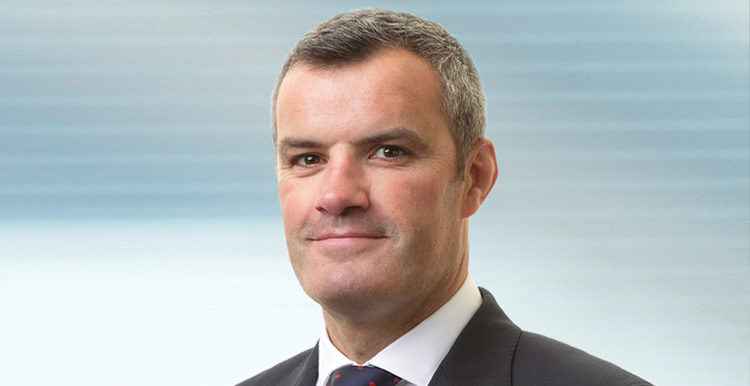
Three questions with... Karl Jennings, Regional Sales Director
1. What is the landscape like for SMEs at the moment? And what’s the theme of your conversations with them?
What I’m hearing about most is uncertainty. Inflation is still feeding into costs, fuel is expensive, and global instability makes it harder for business owners to plan with confidence.
Many conversations are now about reassurance and readiness. No one can predict the next quarter perfectly, so we help clients think through scenarios, protect cash and stay flexible. Close Brothers supports businesses through all cycles, and that experience matters when conditions are changing quickly.
The pressure is most visible in transport, especially small to mid-sized operators. When absorbing those costs, margins tighten fast and smaller fleets feel that pressure quickly. In response, firms are simplifying, trimming fleets, prioritising vehicles tied to steady demand, and focusing on what’s most profitable.
2. What practical steps can businesses take to protect liquidity without stalling operations when cash flow becomes an issue?
One option is refinancing, unlocking cash from owned assets to create headroom. In most cases, that’s through sale and hire purchase back. It can provide a buffer for rising costs, unexpected bills, or timing gaps in cash flow.
A common scenario is repairs landing when income is delayed. Recently, we supported a bus operator after a vehicle issue triggered a sudden cost spike. Their demand doubles as soon as tourist season begins but with six-week payment terms there’s a lag before that income lands. By unlocking cash against their vehicles, we helped them cover the immediate cost, keep vehicles on the road and bridge that funding gap.
The right structure depends on the business. In some cases, sale and leaseback may be a better fit, particularly where tax treatment is a factor. The key is tailoring the facility to how the business earns and spends.
3. What should SMEs look for in a funding partner when navigating uncertainty?
The strongest relationships work when a client sees their funder as a partner, not just a provider. When conditions get tougher, trust and responsiveness in a lender can matter as much as the products used.
For us, a key differentiator is that we’re accessible and hands-on. We’re easy to deal with, we pick up the phone, and we meet clients face to face. That helps us understand how a business really runs, where the pressure points are, and their long-term ambitions.
I’ve worked with some clients for 25 years, and that longevity reflects what businesses value: a partner who is engaged, remains flexible and brings practical solutions when it counts.
My advice to any business planning for growth is to choose a funder who understands your model, can be pragmatic when needed, and is in it for the long term.